
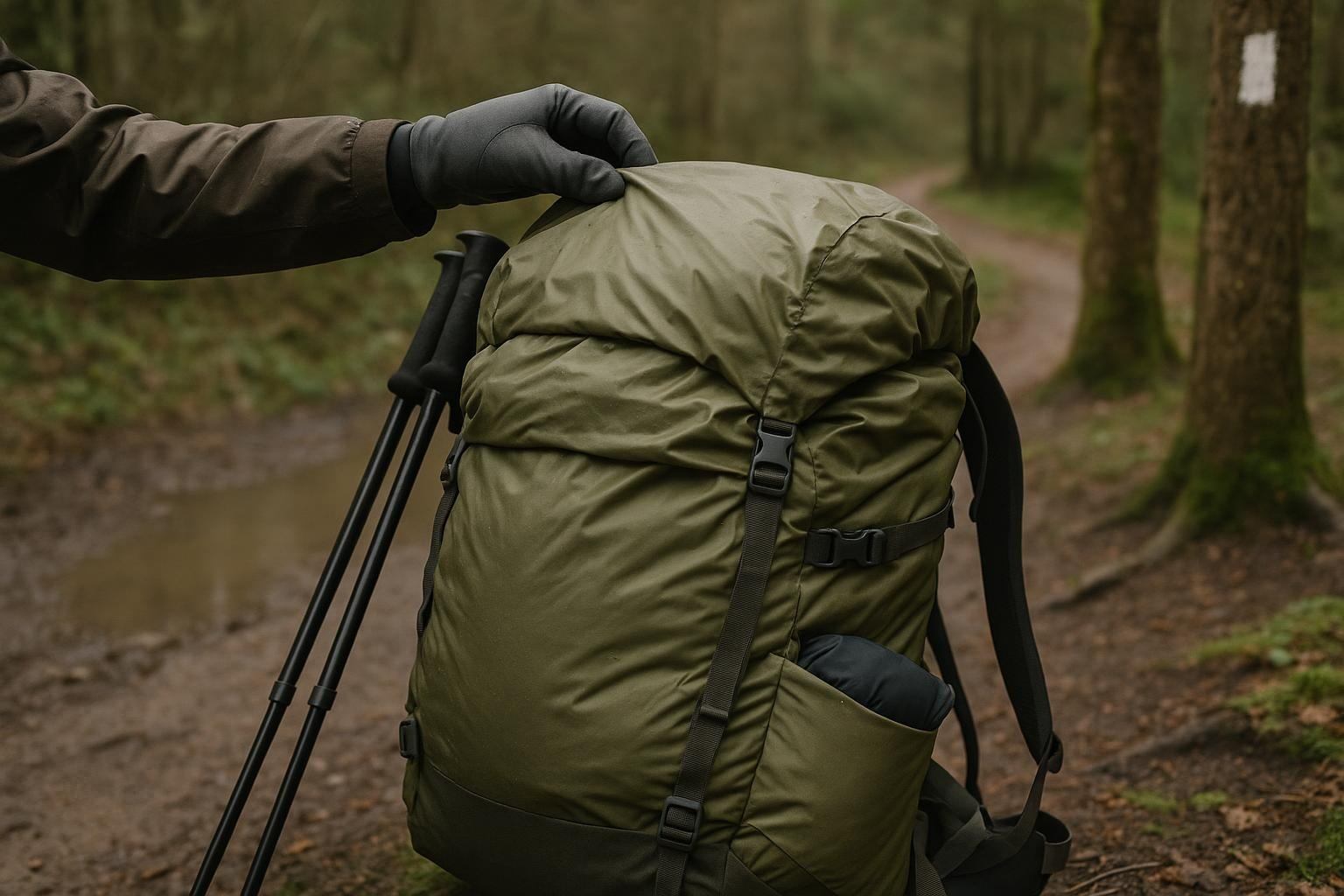
Rethinking Your Hike: Navigating Unexpected Obstacles
Hiking isn't about finding a pretty path. It's an experience that can change in an instant. You might start with a plan-maybe you want to reach a waterfall or a summit-but the trail can surprise you. Mud, blocked paths, sudden closures and icy spots can all pop up without warning. That's why it's important to match your expectations with what the trail presents. From my hikes I've learned that preparation can turn a simple walk into a great adventure.
Tailoring Your Trail Choice
Picking the trail matters especially if you have a goal in mind. You need to know what kind of terrain you're facing. Uneven ground, steep hills and loose stones can make a hike harder than expected. It's easy to underestimate how tough a trail can get.
Before you go check with land management groups. Trail conditions change fast. A path that looked safe yesterday might be. Washed out today. Always get the current information.
Talk to hikers too. What seems easy to one person might be too hard for someone. If you're hiking with a group make sure everyone is on the level of ability. No one should feel pushed beyond their limits. Safety and comfort go hand in hand.
Establishing Hiking Guidelines
Setting rules before you start can help a lot. Even when you're excited having rules in place helps you make choices. Look for signs like rising water or signs of erosion. These can be warnings.
Set rules. For example "If the water gets to our ankles we turn back." That kind of rule gives you a line to follow when things get tough. It keeps you from getting stuck in a situation. Knowing when to stop can save your hike-. Maybe even your life.
Understanding Weather Impacts
Weather affects every hike. Checking forecasts is a must.. Even then conditions can shift fast. A storm in one area might cause flooding even if your sky is clear. Don't assume the weather is the same
Cold temperatures bring ice, which can be hidden under snow or leaves. Strong winds can knock down trees or branches blocking your way. Keep an eye on updates from land management agencies. Know the weather at your elevation because it can be very different from areas.
Social media posts and stories from hikers can help, but they can also mislead. A photo might show a stream but after rain it could be a rushing current. A picture might show a path but there could be loose gravel or slippery dirt just, beneath the surface. Always double-check the trail status. An open sign doesn't mean it's safe. Always have a plan. The trail might. You need to be ready.