
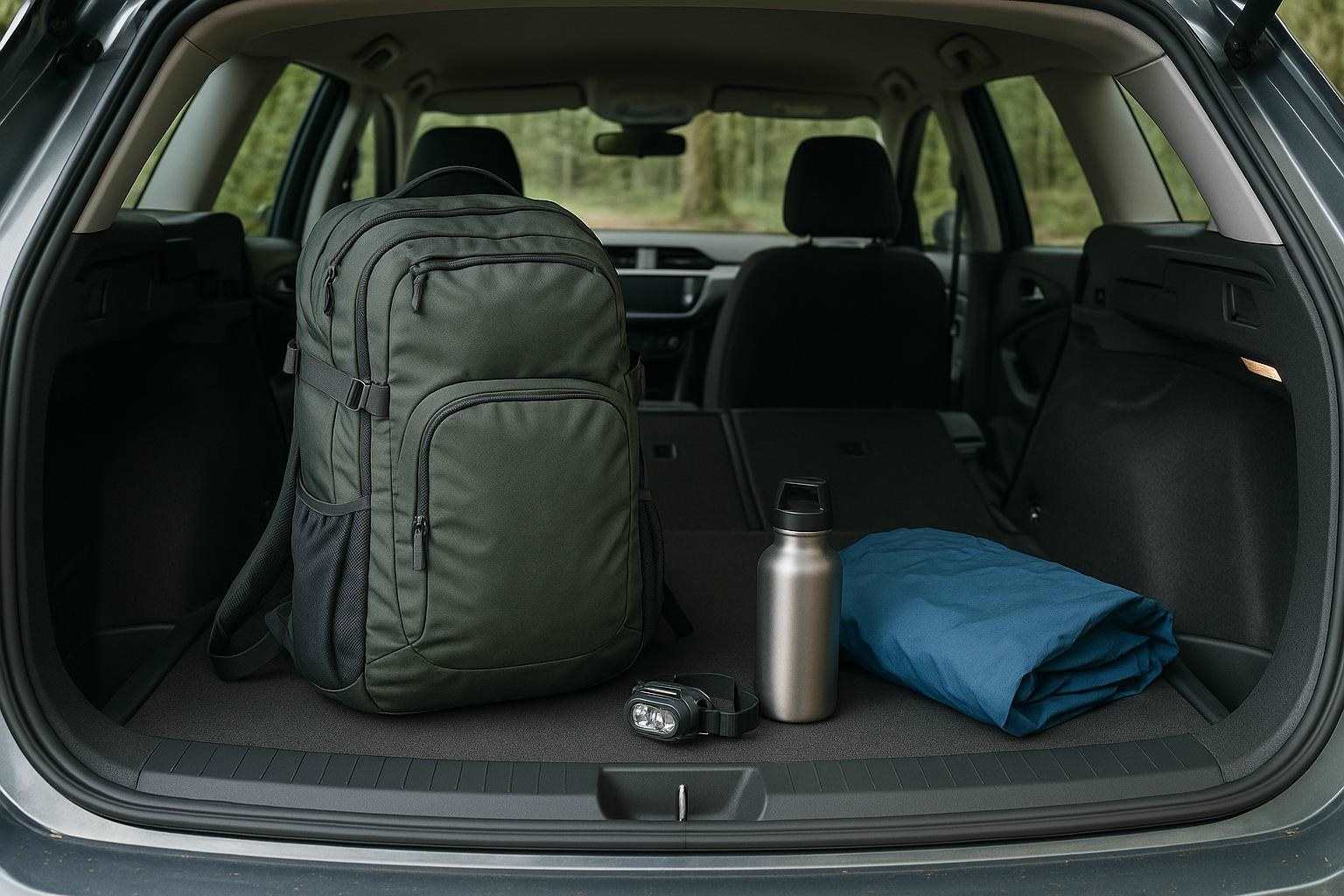
The first choice is not which jacket to bring; it is whether the path matches the weather. A Saturday walk before lunch might seem easy. Rain, a locked gate or slippery ground can change the plan. A good way to pack tests the path first includes backups and helps when the ground or animals need extra care.
Start with the path, not the bag
A short walk does not mean a trip. A path you know well might have hills, steep parts streams to cross bad phone signal or a long way back to the road. Look at information about access, such as opening hours, closings, parking rules and seasonal messages. Land managers, parks and official trail sites are the sources. Rules can change so do not depend on a social media post or a map image.
Match the path to the person who's least confident in the group. Someone who is recovering from an injury carrying a child or not used to ground might be better off on a shorter path with several places to turn back rather than a longer loop with no easy exit. Save the path offline tell someone where you are going and set a time to return. This is how to stay safe while hiking: making the plan clear before it becomes urgent.
Let the weather decide what to wear
The question is not just if rain is coming but what rain will do to the path. A short rain on a forest path may need only a waterproof layer. Long rain on clay, open grass or a rocky path can make the ground slippery hard to see and slower to walk. Wind can also make warm temperatures feel cold at open places or when stopping for a rest.
Wear layers that can be adjusted of one heavy item. A base layer that manages sweat a layer for warmth and an outer layer that resists weather lets you change as conditions change. Choose shoes with grip and bring extra socks if wet ground is likely. A hat and gloves may be useful in warm weather if the path is open or the weather is not certain.
Think of a weather app as a guide, not a promise. Check the forecast close to when you leave compare it with warnings and ask if the expected weather is more than you can handle. Thunderstorms, winds, flooding or bad visibility are reasons to wait, shorten or change your trip. Follow the rules from the people since rules and warnings can be different depending on where you are.
Use one list, then take out what doesn't fit
Packing works when every item solves a problem. Lay everything out. Ask if it helps with finding the way staying warm staying hydrated, first aid, communication, food or dealing with something unexpected. If not it might be comfort gear, not gear. Comfort is okay. It should not take the place of items that help with small problems.
Outdoor packing list for a trip:
– Phone with the path saved offline plus a small battery charger if the trip might take longer
– Water and food that can wait if needed
– Clothes that fit the weather a waterproof layer and extra socks if wet ground is likely
– Basic first aid items and any personal medicine
– A light like a headlamp even if you think you will be back in daylight
– A simple way to find the way like a map and compass if the terrain needs it
– Emergency contact numbers and a note of the planned path
– A small bag for trash, tissues and any dog waste
– Protection from sun, insects or extra warmth if needed
This is a starting point, not a rule. A short path near help might need less than a path from help.. A small bag is no excuse to miss water, essential medicine or a way to call for help.
Make safety checks part of the trip
Before you start check your shoes, your bag and your phone battery. Make sure the place you are going is open and the path matches the weather. At the start read any notices and check the ground carefully. A muddy hill that looked okay on a map might need you to turn back instead of trying to go on.
Use a check-in plan. Tell your contact when you expect to be and message them if the plan changes. Stay together much as possible especially at turns and dangerous parts. If someone feels very cold, confused, dizzy has trouble breathing. Can't keep going stop and check what is happening instead of thinking it is not a big deal. In an emergency call local help and follow their instructions.
Turning back is a choice when conditions do not match the plan. It saves time, energy and the chance to come back safely; it is not a failure to finish the path.
Leave the path ready for the person
Good planning continues after you pack. Stay on the marked paths whenever possible especially when the ground is wet and easy to damage. Do not make muddy places bigger by walking around them climb over fences or use paths to save time. Access to trails depends on people following the rules set by land managers.
Take all your trash, including food scraps that might attract animals. Keep dogs under control as local rules say and give animals space. Fires, camping and taking plants might not be. Rules change with the time of year, place or weather. Check the official guides before making a fire or planning to stay overnight.
For the Saturday hiker the plan is simple: check if the path is open understand the weather pack for delays and choose the path that fits the group, not the one that looks best on paper. This makes a short trip more flexible, safer and better, for the land.